
The kitchen is often considered the heart of the home—a place where families gather, meals are prepared, and memories are made. As lifestyles evolve, so do the trends and designs that define our kitchens. Whether you’re planning a complete remodel or simply looking to refresh your space, understanding current kitchen design trends can help you create a functional and stylish environment. This article explores the latest kitchen design trends and offers practical tips for transforming your culinary space into a dream kitchen.
The Evolution of Kitchen Design
Kitchen design has come a long way from the purely functional spaces of the past. Today’s kitchens are designed with an emphasis on aesthetics, functionality, and social interaction. The modern kitchen reflects the lifestyles of its users, catering to cooking enthusiasts, busy families, and those who enjoy entertaining guests. As such, various design trends have emerged to meet these diverse needs.
Current Trends in Kitchen Design
1. Open Concept Layouts: Open concept kitchens have become increasingly popular, as they facilitate interaction between family members and guests. By removing walls and barriers, homeowners can create spacious, inviting areas that blend seamlessly with dining and living spaces. This design encourages socializing, making it easier to host gatherings and keep an eye on children while cooking.
2. Sustainable Materials: Sustainability is a growing concern for many homeowners, and the kitchen is no exception. Eco-friendly materials, such as bamboo cabinets, recycled countertops, and low-VOC paints, are becoming more prevalent. These choices not only contribute to a healthier environment but also add a unique aesthetic appeal to your kitchen.
3. Smart Technology: The integration of technology in kitchen design is revolutionizing how we cook and manage our spaces. From smart refrigerators that monitor food freshness to voice-activated assistants that help with meal prep, technology enhances convenience and efficiency. Installing smart lighting and temperature control systems can also create a more comfortable and adaptable kitchen environment.
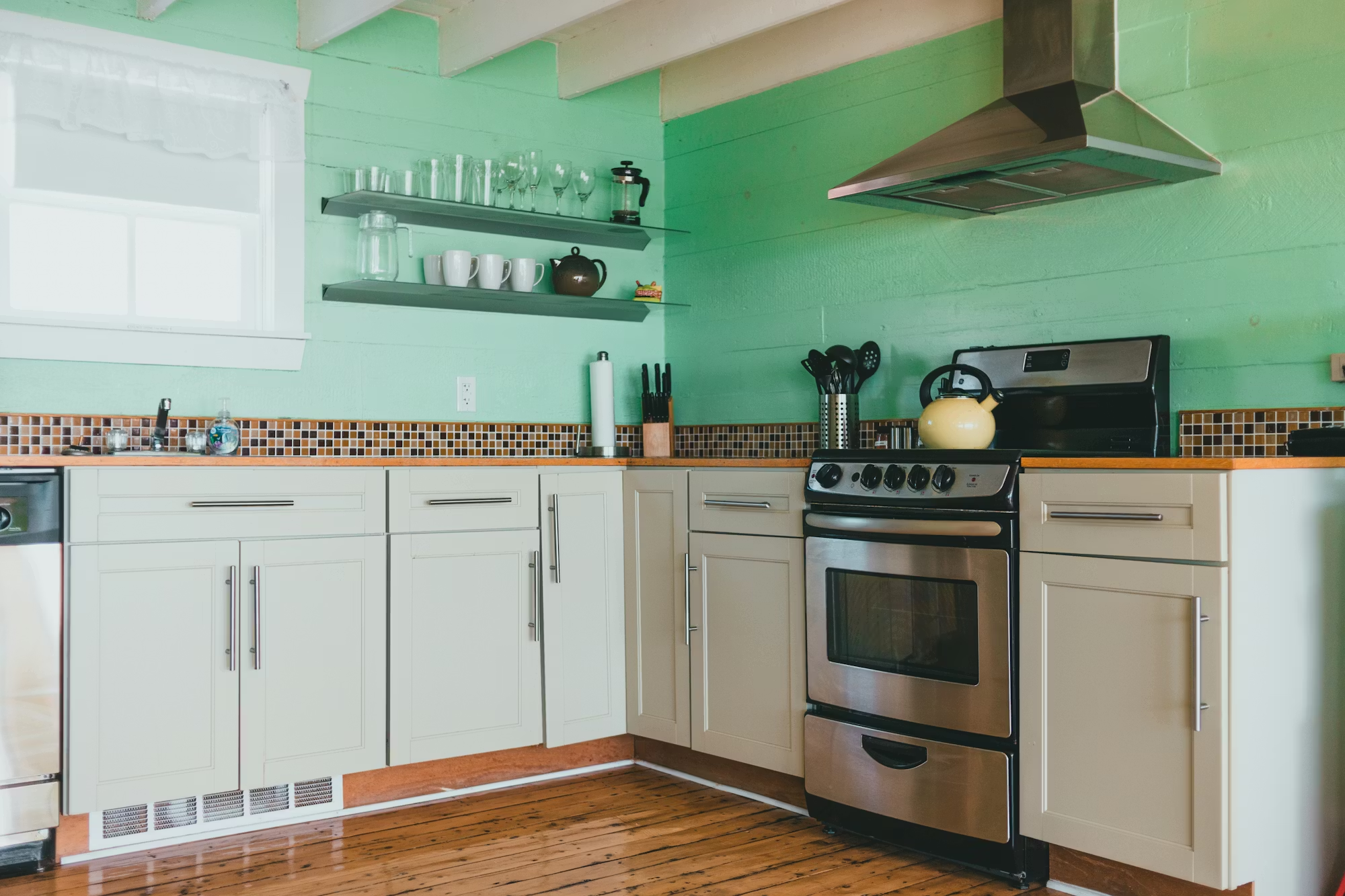
4. Bold Color Schemes: While neutral tones have dominated kitchen design for years, bold colors are making a comeback. Homeowners are embracing vibrant hues for cabinetry, backsplashes, and appliances. Shades like deep blue, emerald green, and even black are being used to create striking focal points, adding personality and flair to the kitchen.
5. Mixed Materials: Combining different materials can create a visually interesting and dynamic kitchen. For example, mixing wood with metal accents or pairing a marble countertop with ceramic tiles adds depth and character to the space. This trend allows for personalization and creativity, enabling homeowners to showcase their unique style.
Practical Tips for Designing Your Kitchen
When it comes to designing your dream kitchen, careful planning is essential. Here are some practical tips to consider:
1. Plan the Layout: Before diving into the design process, take the time to plan the layout of your kitchen. Consider the work triangle—the relationship between the sink, stove, and refrigerator. A well-designed work triangle allows for efficient movement while cooking, making meal preparation a breeze.
2. Maximize Storage: One of the biggest challenges in kitchen design is storage. To make the most of your space, incorporate creative storage solutions, such as pull-out cabinets, built-in shelves, and kitchen islands with storage. Utilizing vertical space with wall-mounted racks and cabinets can also help keep countertops clutter-free.
3. Focus on Lighting: Proper lighting is crucial in the kitchen. A combination of ambient, task, and accent lighting will create a well-lit environment for cooking and entertaining. Pendant lights over an island, under-cabinet lighting for workspaces, and natural light from windows all contribute to a bright and inviting atmosphere.
4. Choose Functional Appliances: Invest in high-quality, functional appliances that suit your cooking style. Consider energy-efficient models that save on utility bills while providing the features you need. Whether it’s a double oven for avid bakers or a smart dishwasher for busy families, choosing the right appliances can enhance your kitchen experience.
5. Incorporate Personal Touches: Your kitchen should reflect your personality and lifestyle. Incorporate personal touches through decor, color choices, and unique features. Displaying favorite cookbooks, artwork, or decorative items can make the space feel more inviting and uniquely yours.
The Impact of Color and Texture
Color and texture play significant roles in kitchen design, influencing both aesthetics and mood. When selecting a color palette, consider how different hues can evoke emotions. For example, soft blues and greens create a calming atmosphere, while warm yellows and reds can stimulate appetite and energy.
Texture is equally important in adding depth and interest to your kitchen. Mixing smooth surfaces with textured elements—such as a rustic wood table, glossy countertops, and matte cabinetry—creates visual contrast and a dynamic feel. Experimenting with different finishes, such as matte, glossy, and natural, can help achieve the desired effect.
Sustainability in Kitchen Design
As more homeowners prioritize sustainability, incorporating eco-friendly practices into kitchen design is essential. Here are a few ways to create a sustainable kitchen:
1. Energy-Efficient Appliances: Opt for Energy Star-rated appliances that consume less energy and water. This not only reduces your carbon footprint but also lowers utility bills.
2. Water Conservation: Install water-saving fixtures, such as low-flow faucets and dual-flush toilets. Additionally, consider a rainwater harvesting system to reuse water for irrigation.
3. Recycled and Repurposed Materials: Use recycled materials for countertops and flooring. Reclaimed wood, recycled glass, and eco-friendly tiles are excellent choices that reduce waste and environmental impact.
4. Local Sourcing: When possible, source materials and products locally. This supports local economies and reduces the carbon footprint associated with transportation.
Conclusion
Designing your dream kitchen involves thoughtful planning, creativity, and a keen understanding of current trends. By embracing open layouts, sustainable materials, and smart technology, you can create a space that not only meets your culinary needs but also reflects your personal style. Remember to maximize storage, focus on lighting, and incorporate personal touches to make your kitchen truly yours. As you embark on this journey, keep in mind that a well-designed kitchen can enhance your quality of life, making cooking and gathering a joyous experience for you and your loved ones.