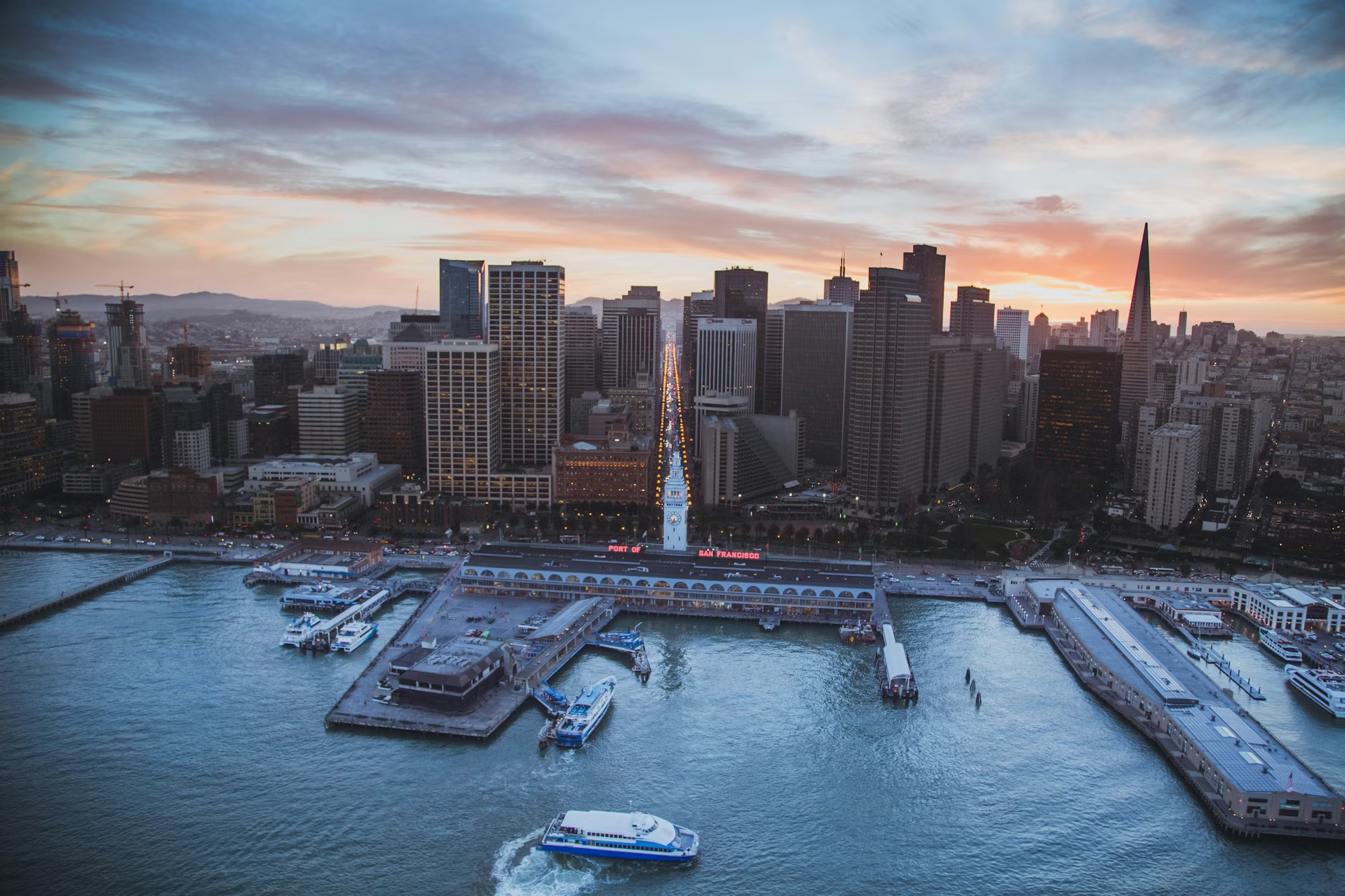
As urban populations continue to grow and evolve, the landscape of real estate is undergoing a significant transformation. Innovations in technology, design, and sustainability are reshaping urban living and influencing market dynamics across different city types. Understanding these changes is essential for investors, developers, and urban planners aiming to adapt to the future of urban living. One of the most prominent trends in urban real estate is the rise of smart technology. Smart cities leverage data and technology to enhance infrastructure and improve the quality of life for residents. This trend is especially prevalent in metropolitan areas, where the integration of smart systems can lead to improved public services, traffic management, and energy efficiency. For instance, smart buildings equipped with IoT (Internet of Things) devices allow for better energy management and automation, resulting in reduced utility costs and increased comfort for occupants. As a result, properties that incorporate these technologies are becoming increasingly attractive to buyers and renters, making them a focal point for real estate investment. In megacities, characterized by their immense populations and complex infrastructure, the need for innovative housing solutions is paramount. With millions of people vying for limited space, developers are increasingly turning to vertical living solutions, such as high-rise residential complexes that maximize space while offering modern amenities. These buildings often include communal areas, rooftop gardens, and integrated smart technology, creating vibrant communities within dense urban environments. Furthermore, the demand for affordable housing in these cities has led to the emergence of micro-apartments and co-living arrangements, catering to young professionals and students who seek both affordability and community engagement. Capital cities, which often serve as cultural and administrative centers, are witnessing a surge in mixed-use developments. These projects combine residential, commercial, and recreational spaces, fostering vibrant communities where people can live, work, and play without the need for extensive commutes. The appeal of mixed-use developments lies in their ability to create a sense of place, promoting social interaction and economic activity. Investors are increasingly interested in these properties as they tend to have higher occupancy rates and stable cash flows, making them a sound investment choice. Port cities are also adapting to changing demands, particularly in the wake of increased global trade and tourism. The real estate market in these cities is increasingly focused on waterfront developments that blend residential units with commercial spaces and leisure facilities. These mixed-use waterfront projects not only enhance the aesthetic appeal of the city but also provide residents with direct access to recreational activities, promoting a desirable lifestyle. As tourism continues to grow, investors are capitalizing on the potential for short-term rentals and hospitality ventures in these vibrant coastal areas. Tech hubs, known for their concentration of innovation and startup culture, are experiencing a unique transformation in their real estate markets. The influx of tech companies and a young workforce has created a demand for flexible workspaces and residential options that cater to the needs of modern professionals. Developers are focusing on creating environments that promote collaboration, often incorporating coworking spaces and communal areas within residential complexes. Additionally, the rise of remote work has prompted a shift in office design, with an emphasis on adaptable spaces that can easily transition between collaborative and individual work settings. Tourist cities continue to evolve as they adapt to the changing preferences of travelers. The rise of experiential tourism has led to an increased demand for unique accommodations that offer immersive experiences. Investors are increasingly focusing on boutique hotels, short-term rentals, and themed accommodations that cater to niche markets. These properties often reflect the local culture and heritage, attracting visitors seeking authentic experiences. Understanding seasonal trends and tourist demographics can help investors optimize their strategies, ensuring that properties meet the evolving needs of the travel industry. University towns play a vital role in the real estate market, driven by the constant influx of students and faculty. The demand for housing in these areas has prompted developers to create student-centric living spaces that offer modern amenities and foster community engagement. Co-living arrangements are gaining popularity, providing students with affordable housing options that encourage social interaction and collaboration. Moreover, the presence of research institutions in these towns often attracts professionals and families, further diversifying the housing market and creating opportunities for investors. Financial centers are pivotal to economic activity, housing major banks and corporations. The ongoing evolution of the workplace is influencing the demand for flexible office spaces, prompting investors to consider mixed-use developments that combine office, retail, and residential components. These projects create vibrant urban ecosystems that cater to the needs of modern professionals, promoting work-life balance and enhancing the overall quality of life in financial districts. Historic cities, with their rich cultural heritage, continue to attract interest from investors seeking to preserve and revitalize historic buildings. The restoration of these properties not only enhances their aesthetic appeal but also contributes to the unique character of the city. Investors can find opportunities in projects that maintain the integrity of historic structures while modernizing their functionality to meet contemporary demands. This approach attracts residents who appreciate the blend of history and modern living, creating a niche market that values authenticity and heritage. In summary, the future of urban living is being shaped by a myriad of innovations that are transforming real estate markets across various city types. From smart technology to mixed-use developments, understanding these trends is essential for stakeholders looking to navigate the evolving landscape of urban real estate. As cities adapt to the changing needs of their populations, the opportunities for investment and development will continue to grow, making it an exciting time to engage in the real estate market.