
As the world becomes increasingly aware of environmental issues, the demand for sustainable living practices is rising, particularly in home design. Eco-friendly homes are not just a trend; they represent a necessary shift towards more responsible living. This article delves into the principles of sustainable home design, discussing how homeowners can incorporate eco-friendly practices and materials into their spaces while maintaining comfort and style.
Sustainable living begins with the design of the home itself. Orientation and layout play crucial roles in maximizing energy efficiency. For instance, positioning a home to take advantage of natural light can reduce reliance on artificial lighting. Large windows facing south can harness sunlight during the day, helping to keep indoor spaces warm in winter. Moreover, thoughtful landscaping with trees and plants can provide shade during the hotter months, further minimizing the need for air conditioning. These design choices not only lower energy bills but also enhance the overall quality of life within the home.
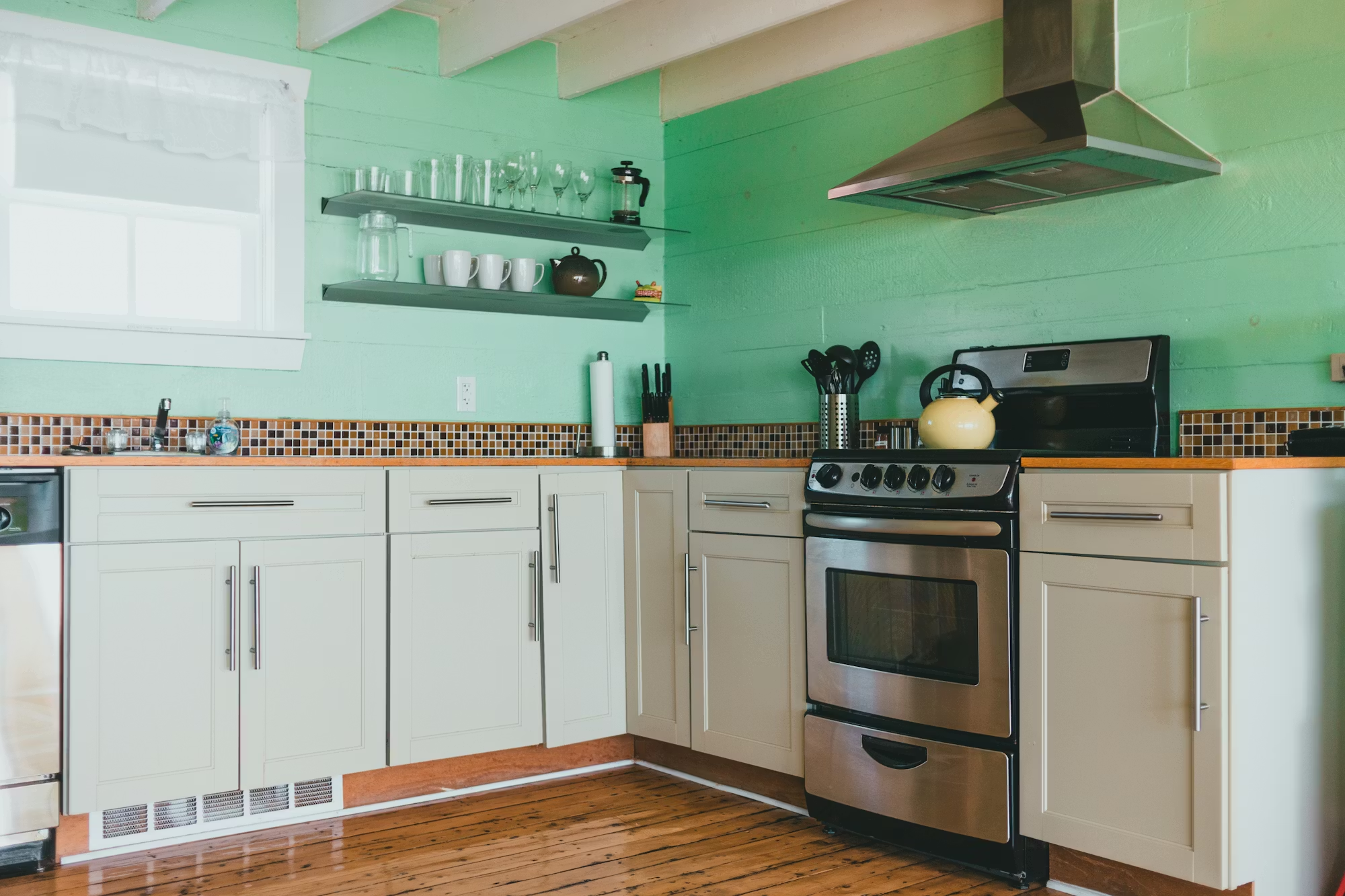
Another essential aspect of sustainable home design is the choice of materials. Opting for environmentally friendly materials, such as reclaimed wood, bamboo, or recycled metal, can significantly reduce a home’s carbon footprint. These materials are not only sustainable but also offer unique aesthetics that add character to any space. For example, reclaimed wood beams can create a rustic charm in a modern home, while bamboo flooring provides a sleek and sustainable option that is both durable and stylish.
Insulation is a vital component of energy efficiency in homes. Proper insulation keeps homes warm in winter and cool in summer, reducing the need for heating and cooling systems. Homeowners should consider using eco-friendly insulation materials, such as cellulose or sheep’s wool, which have lower environmental impacts compared to traditional options. In addition to insulation, energy-efficient windows and doors can help prevent drafts and heat loss, contributing to a more comfortable living environment.
Water conservation is another critical aspect of sustainable living. Designing homes with water-efficient fixtures, such as low-flow toilets and showerheads, can significantly reduce water consumption without sacrificing performance. Rainwater harvesting systems can be integrated into the home to collect and reuse rainwater for irrigation or even indoor use, further promoting responsible water use. Landscaping with native plants that require minimal irrigation can also enhance the sustainability of outdoor spaces, providing beauty without excessive water needs.
Incorporating renewable energy sources is an effective way to make homes more sustainable. Solar panels are one of the most popular options, allowing homeowners to harness the sun’s energy to power their homes. As technology continues to improve, solar energy systems are becoming more affordable and efficient, making them a viable option for many. Additionally, geothermal heating and cooling systems can provide an energy-efficient alternative to traditional HVAC systems, utilizing the earth’s stable temperatures to regulate indoor climates.
Smart home technology is increasingly becoming a vital part of sustainable living. Smart thermostats, energy monitoring systems, and automated lighting can help homeowners manage their energy consumption more effectively. By allowing for precise control over heating, cooling, and lighting, these technologies can lead to significant energy savings. Furthermore, smart irrigation systems can optimize water use in gardens and landscaping, ensuring that plants receive the right amount of water without waste.
A crucial element of sustainable home design is creating spaces that promote well-being. Biophilic design, which emphasizes the connection between people and nature, can enhance the health and happiness of residents. Incorporating natural elements, such as indoor plants, natural light, and water features, can create calming environments that support mental and physical well-being. Additionally, open layouts that promote natural airflow can enhance indoor air quality, further contributing to a healthy living space.
When considering sustainable home design, it is essential to think about the entire lifecycle of materials and products. Choosing durable, low-maintenance materials can reduce the need for frequent replacements and repairs, minimizing waste over time. Additionally, homeowners should consider the environmental impact of their purchases, opting for products that are ethically sourced and produced. By supporting companies that prioritize sustainability, individuals can contribute to a broader movement toward responsible consumption.
The trend toward sustainable living is not only a personal choice but also a community effort. Local governments and organizations are increasingly promoting sustainable practices, offering incentives for homeowners to make eco-friendly upgrades. Community gardens, recycling programs, and local farmers’ markets are just a few examples of how communities can come together to foster a culture of sustainability. Engaging with neighbors and participating in local initiatives can amplify individual efforts, creating a more significant impact.
As the demand for sustainable homes grows, the real estate market is evolving to accommodate these preferences. New developments are often designed with sustainability in mind, incorporating green building practices and eco-friendly materials. This shift not only meets the desires of modern buyers but also sets a standard for future construction. By prioritizing sustainability in real estate, developers are contributing to a healthier planet while also appealing to environmentally conscious consumers.
In conclusion, designing homes with eco-friendly principles is not merely a trend; it is a vital step towards a more sustainable future. By embracing energy-efficient practices, choosing sustainable materials, and incorporating smart technologies, homeowners can create living spaces that are both beautiful and responsible. Sustainable living enhances not only the quality of life for individuals and families but also contributes to the well-being of our planet. As we move forward, the principles of sustainability will continue to play a crucial role in shaping the homes of tomorrow, reflecting a growing commitment to responsible living and environmental stewardship.