
In today’s fast-paced world, the importance of having a home that feels like a sanctuary cannot be overstated. A well-designed space can significantly impact your mood, productivity, and overall well-being. This article delves into the essential elements that contribute to creating a perfect home retreat, focusing on various rooms and how they can be transformed into calming environments.
To begin with, the living room is often the heart of the home, where family and friends gather to unwind. To create a serene atmosphere, choose soft, inviting colors for the walls and furnishings. Neutral shades, such as beige, soft gray, or pastel tones, can make the space feel more expansive and calming. Incorporating natural materials, like wood and stone, adds warmth and texture, making the room feel cozy and inviting.
Arranging furniture thoughtfully is crucial in promoting relaxation. Opt for comfortable seating options, such as oversized sofas and plush chairs, that encourage lounging. A central coffee table can serve as a functional piece for snacks or drinks while also providing a focal point for the room. Consider the flow of movement in the space; ensure that pathways are clear and that furniture is arranged to encourage conversation.
Lighting is another vital element in creating a relaxing living room. Natural light should be maximized; sheer curtains can soften incoming light while maintaining privacy. Additionally, incorporate multiple light sources, including floor lamps, table lamps, and wall sconces, to create a warm ambiance. Dimmable lighting can provide flexibility for different moods and times of day.
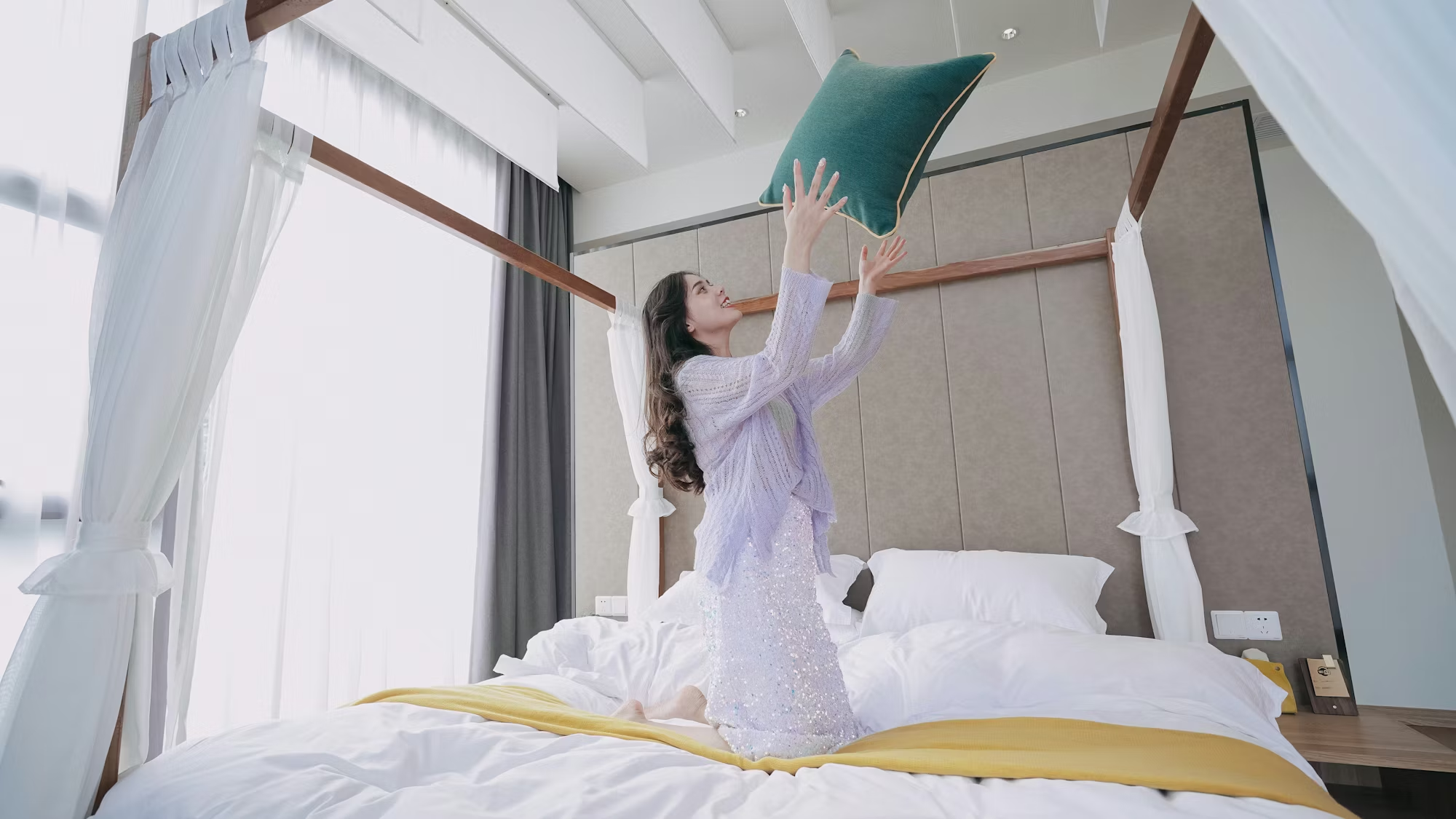
Moving into the bedroom, this space should evoke tranquility and comfort. Start by decluttering and simplifying the environment; a clean space can have a significant impact on how restful it feels. Choose bedding that is soft and inviting, with layers that add comfort and warmth. Consider using a color palette that promotes relaxation, such as soft blues, greens, or earthy tones.
A well-organized bedroom can enhance its calming effect. Use under-bed storage to keep seasonal clothing or extra linens tucked away. Nightstands with drawers can help keep personal items organized and out of sight. Incorporating soft, ambient lighting—such as bedside lamps with warm bulbs—creates a soothing atmosphere for reading or winding down at night.
For those who enjoy creativity or need a dedicated workspace, incorporating a small home office can be a rewarding addition. This space should be functional yet inspiring. Choose a location with good natural light and consider using a desk that fits the aesthetic of your home. Personalize the area with decor that reflects your personality, whether it’s artwork, plants, or motivational quotes. Ensuring the office is separate from distractions can help maintain focus, promoting productivity and creativity.
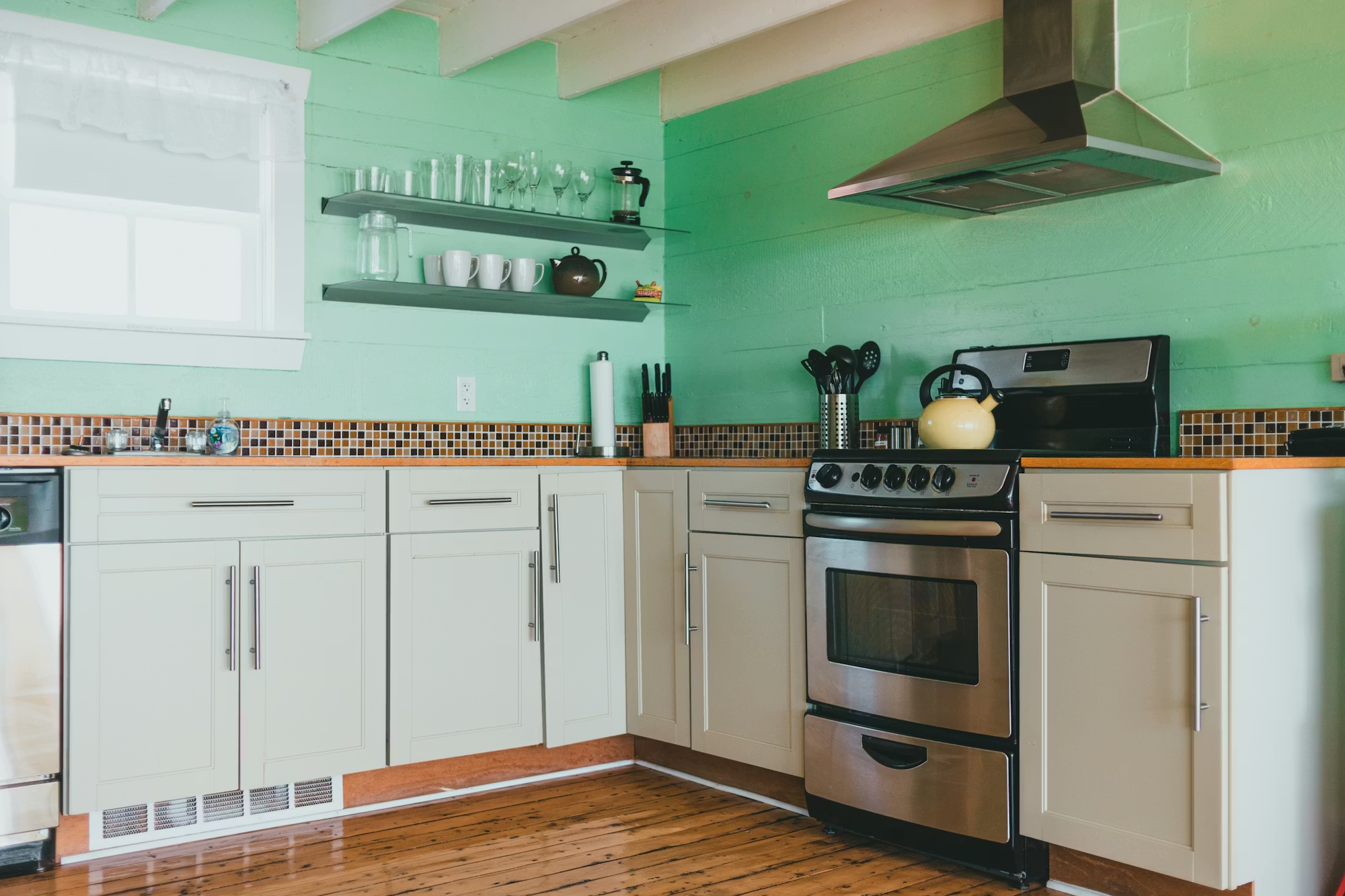
The kitchen also plays a crucial role in creating a home sanctuary. While it is primarily a functional space, it can also be a gathering place that inspires creativity and connection. Keeping the kitchen organized is essential; use storage solutions like shelves and cabinets that maximize space. Clear countertops of unnecessary items to promote a clean and inviting cooking environment.
Incorporating a small dining area within the kitchen can create a cozy atmosphere for meals. Consider using a round table that encourages conversation and interaction. Bright, cheerful tableware can enhance the dining experience, making every meal feel special. Use natural materials for furniture, such as a wooden table and chairs, to bring warmth and texture into the space.
For many, a bathroom is a personal retreat for relaxation. To transform this space into a spa-like environment, focus on cleanliness and organization. Declutter countertops and use storage solutions to keep toiletries neatly tucked away. Consider investing in plush towels and bath mats that add a touch of luxury. Soft, ambient lighting can create a tranquil atmosphere, especially during evening baths or showers.
Incorporating natural elements, such as plants or essential oils, can enhance the calming effect of the bathroom. A small potted plant or fresh flowers can bring life and freshness to the space. Creating a designated area for relaxation, such as a comfortable chair or a reading nook, can make the bathroom a true retreat.
Outdoor spaces, such as patios or balconies, also offer an opportunity to extend the sanctuary theme beyond the walls of your home. Furnishing these areas with comfortable seating can create an inviting environment for relaxation and socializing. Adding elements like string lights or lanterns can enhance the ambiance for evening gatherings. Incorporating greenery, such as potted plants or hanging baskets, can create a serene atmosphere that connects you with nature.
For families, creating a playroom or activity space can help keep clutter at bay while providing a designated area for children to play and create. Choose furniture that is child-friendly and durable, such as soft rugs and bean bags, that can withstand daily use. Organizing toys with labeled bins can promote independence and responsibility while keeping the area tidy. Incorporating art supplies or a small library can encourage creativity and learning, making the space both functional and enjoyable.
Finally, the entryway is an essential part of creating a welcoming home environment. This space sets the tone for the rest of the home and should be functional yet inviting. Consider using hooks for coats and bags, as well as a small bench for convenience. A decorative mirror can help the entryway feel larger while providing a place for quick checks before heading out.
Incorporating personal touches, such as family photos or artwork, can make the entryway feel more personalized and welcoming. A small area rug can add warmth and style, while a basket for shoes can help keep the space organized. This careful curation of elements can create a sense of harmony as soon as you enter your home.
In conclusion, designing a home that serves as a sanctuary requires thoughtful consideration of each space. By focusing on elements that promote relaxation, organization, and personal expression, you can create a harmonious environment that enhances your well-being. Each room can be transformed into a serene retreat that reflects your unique style and offers comfort in everyday life. Whether it’s through calming colors, inviting furnishings, or personal touches, creating a sanctuary at home can lead to a more fulfilling and peaceful lifestyle.