
Farmhouse style homes have captured the hearts of many, offering a blend of rustic charm and modern convenience that appeals to a wide range of homeowners. With their welcoming facades and practical designs, these homes evoke a sense of nostalgia while accommodating contemporary living. This article explores the distinctive architectural features of farmhouse style homes, the principles of their design, and the lifestyle they promote, showcasing why they remain a beloved choice in residential architecture.
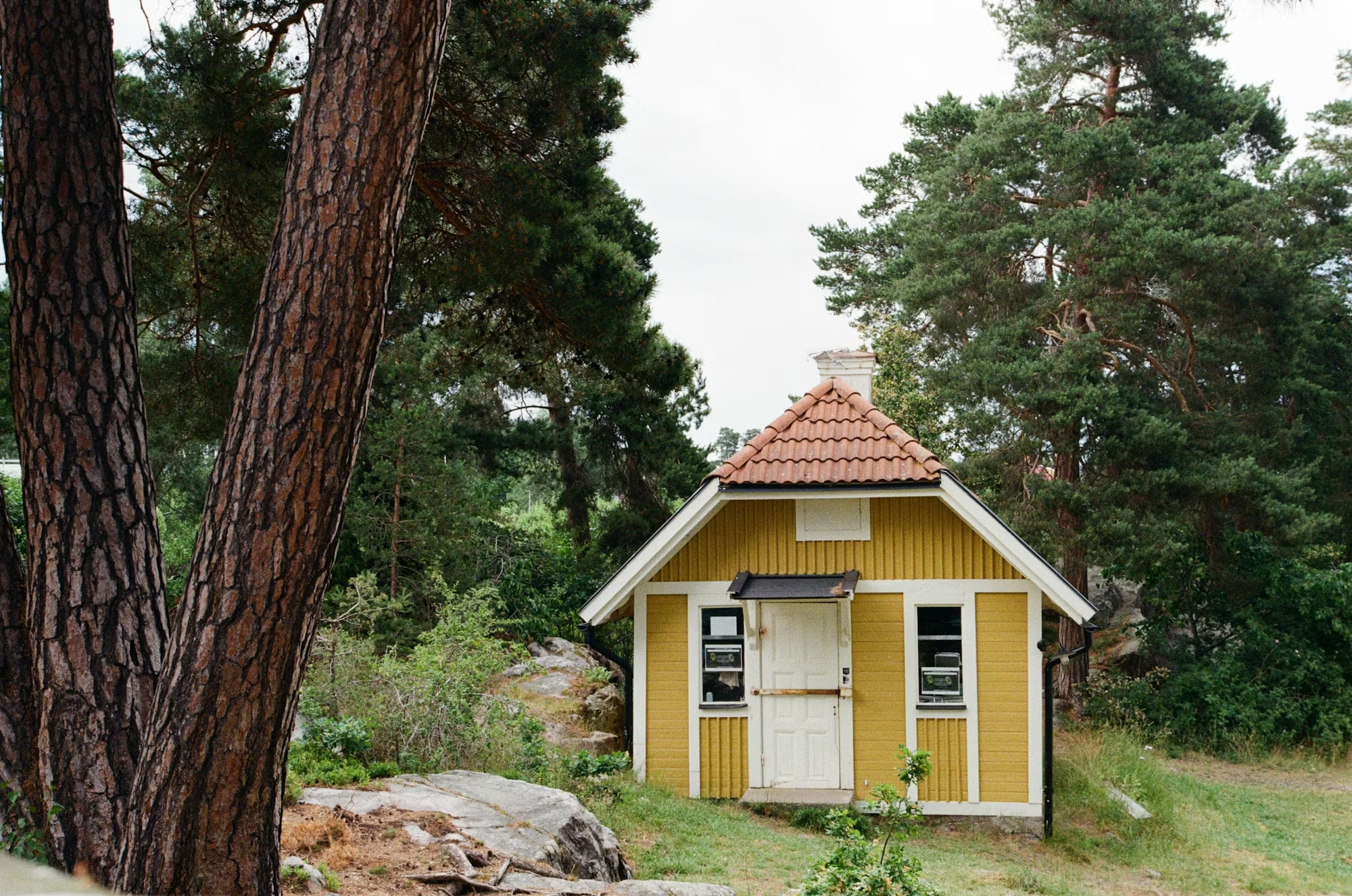
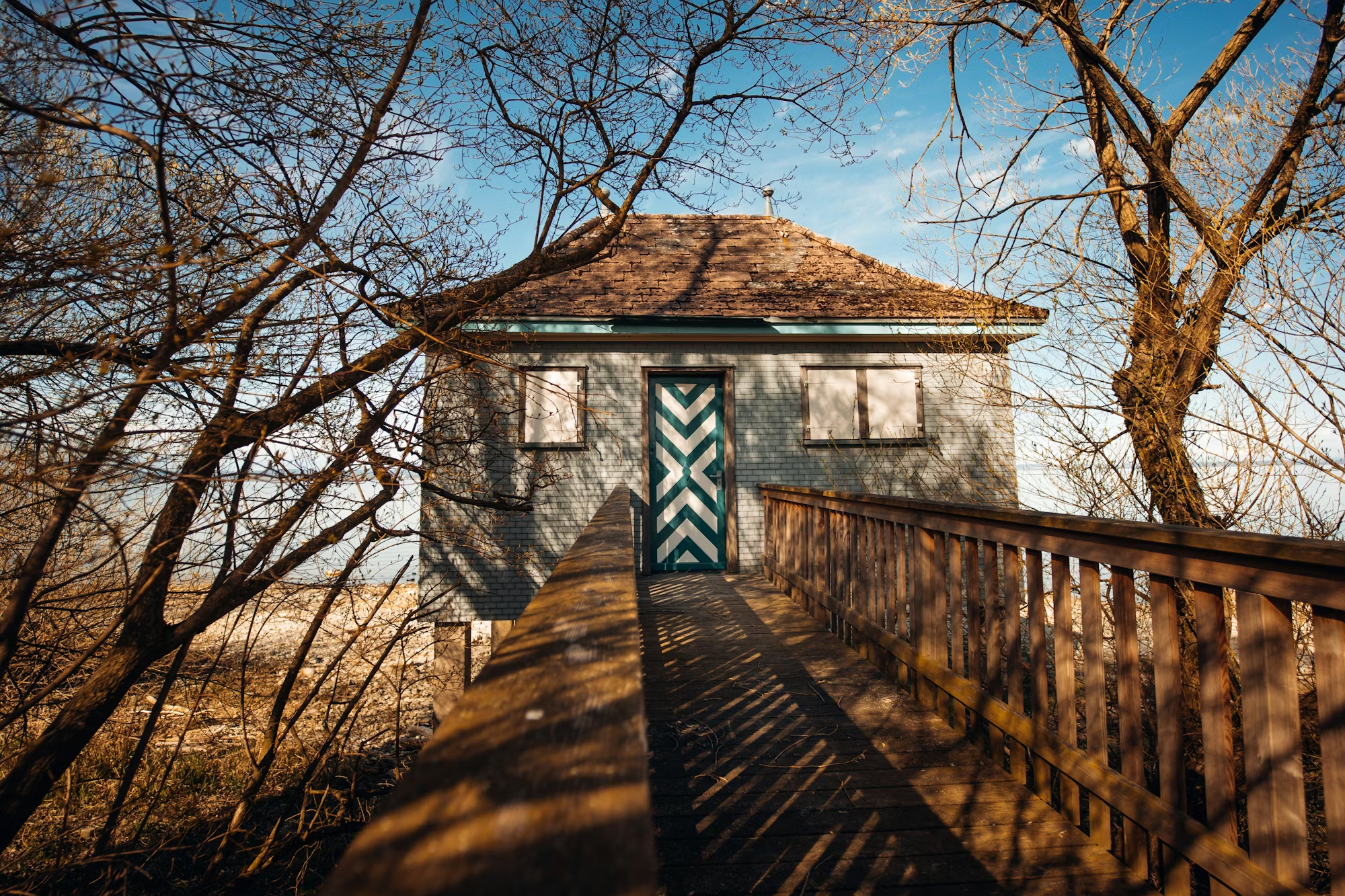
At the core of farmhouse design is simplicity. These homes typically feature a rectangular or square shape, often with a large front porch that serves as an inviting entry point. The porch is a hallmark of farmhouse architecture, offering a place for relaxation and socialization while enhancing the overall aesthetic appeal. The exterior of farmhouse homes often showcases materials such as wood, metal, and stone, which contribute to their rustic charm and durability. A common characteristic is the use of a gabled roof, which adds to the home’s visual interest while providing ample space in the attic for storage or living areas.
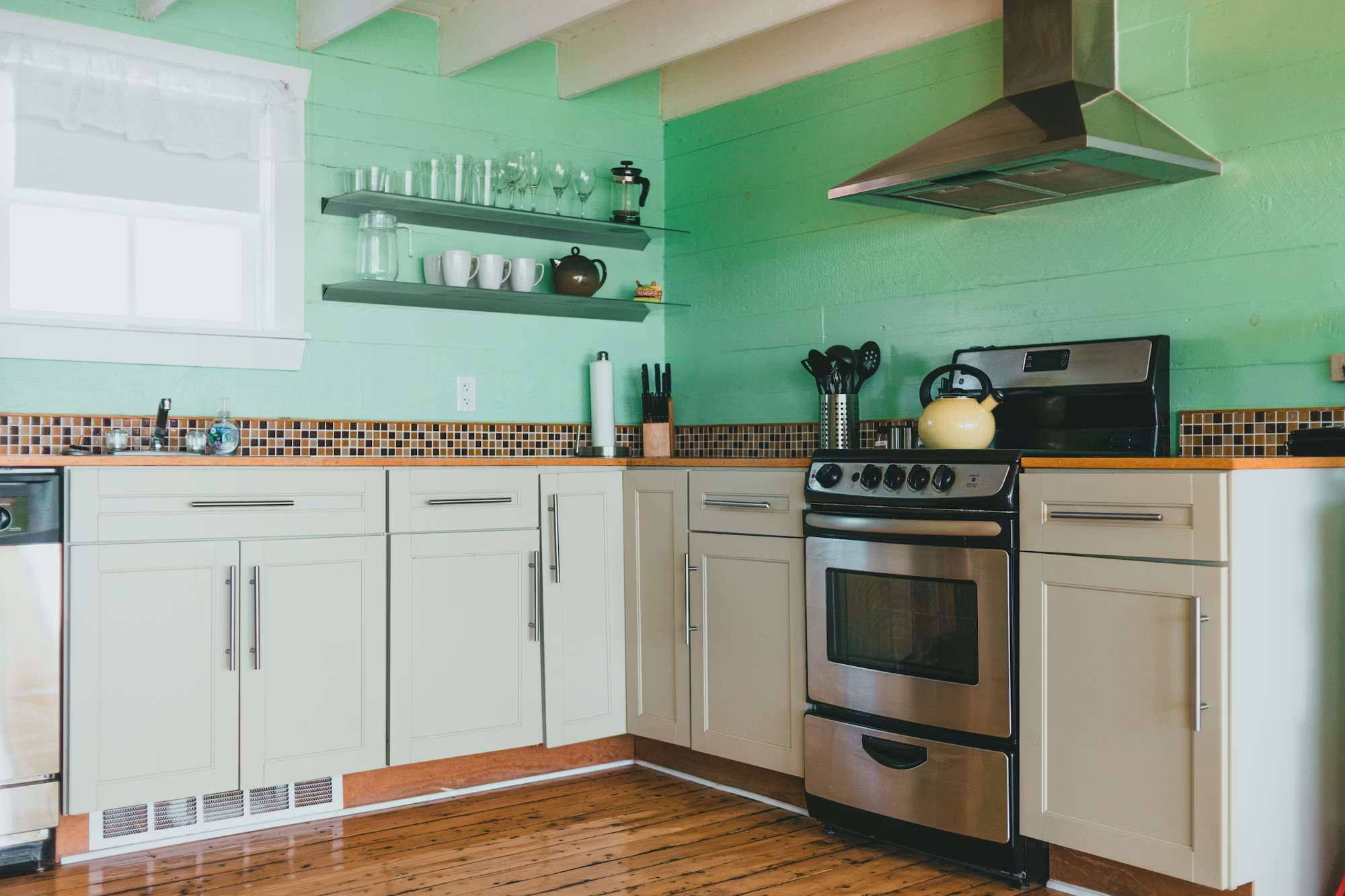
The interior of farmhouse style homes reflects the same principles of simplicity and functionality. Open floor plans are a defining feature, allowing for seamless transitions between living spaces. This layout promotes a sense of togetherness, making it easy for families and friends to gather and interact. The kitchen, often considered the heart of the home, is designed with practicality in mind, featuring ample counter space, modern appliances, and sometimes an island for additional seating and preparation area. Farmhouse kitchens often incorporate elements like farmhouse sinks, open shelving, and vintage-inspired fixtures, which enhance the overall charm and character.
Natural light plays a significant role in farmhouse design. Large windows are commonly found throughout these homes, allowing sunlight to flood the interior and create a warm, inviting atmosphere. Many homeowners opt for window treatments that emphasize the view of the outdoors, fostering a connection with nature. This design principle encourages a lifestyle that values the beauty of the surrounding environment, whether it be fields, gardens, or wooded areas.
One of the most appealing aspects of farmhouse style is its versatility. While traditional farmhouse designs exude a timeless elegance, modern interpretations can incorporate contemporary elements, making them suitable for various tastes and lifestyles. From sleek, minimalist decor to more eclectic, vintage-inspired interiors, farmhouse homes can be tailored to reflect individual preferences. This adaptability allows homeowners to create a space that is both functional and uniquely theirs.
Sustainability is another important consideration in farmhouse design. Many modern farmhouse homeowners prioritize eco-friendly practices, such as using reclaimed materials, incorporating energy-efficient appliances, and installing solar panels. This commitment to sustainability not only benefits the environment but also aligns with the values of many individuals seeking a more responsible lifestyle. By blending traditional charm with modern innovations, farmhouse homes can serve as examples of how to live harmoniously with nature.
The lifestyle associated with farmhouse living often emphasizes a connection to the land. Many farmhouse homeowners cultivate gardens, grow their own produce, and embrace a slower pace of life that values community and family. This lifestyle promotes self-sufficiency and encourages individuals to engage with their surroundings, whether through gardening, tending to animals, or participating in local markets. Farmhouse living fosters a sense of belonging and encourages relationships with neighbors and the community at large.
In addition to their charm and practicality, farmhouse style homes often hold historical significance. Many of these homes reflect the architectural traditions of rural America, showcasing craftsmanship and attention to detail that have been passed down through generations. Restoring or building a farmhouse often involves honoring these traditions, preserving the unique character that makes these homes special. Homeowners frequently take pride in maintaining the history and integrity of their properties, ensuring that they remain a testament to the values of hard work and community.
Furthermore, the farmhouse aesthetic can extend beyond the home itself. Landscaping plays a crucial role in creating a cohesive farmhouse environment. Homeowners often opt for sprawling gardens filled with native plants, fruit trees, and flower beds that enhance the property’s natural beauty. Outdoor spaces are frequently designed for relaxation and entertainment, with features such as patios, fire pits, and outdoor kitchens that invite gatherings with family and friends. This emphasis on outdoor living complements the farmhouse style, reinforcing the connection between the home and the natural world.
The popularity of farmhouse style homes continues to rise, as more people seek to embrace the values of simplicity, comfort, and community in their lives. This trend reflects a broader societal shift toward prioritizing experiences over material possessions, as individuals seek spaces that foster meaningful connections and promote well-being. Farmhouse homes provide the perfect backdrop for this lifestyle, offering a sense of warmth and belonging that resonates with many.
In conclusion, farmhouse style homes are a timeless representation of charm, functionality, and sustainability. With their welcoming designs, practical layouts, and connection to nature, these homes embody a lifestyle that values simplicity, community, and the beauty of the environment. As more individuals and families choose to embrace farmhouse living, the appeal of this architectural style will undoubtedly endure, providing a sanctuary for generations to come.