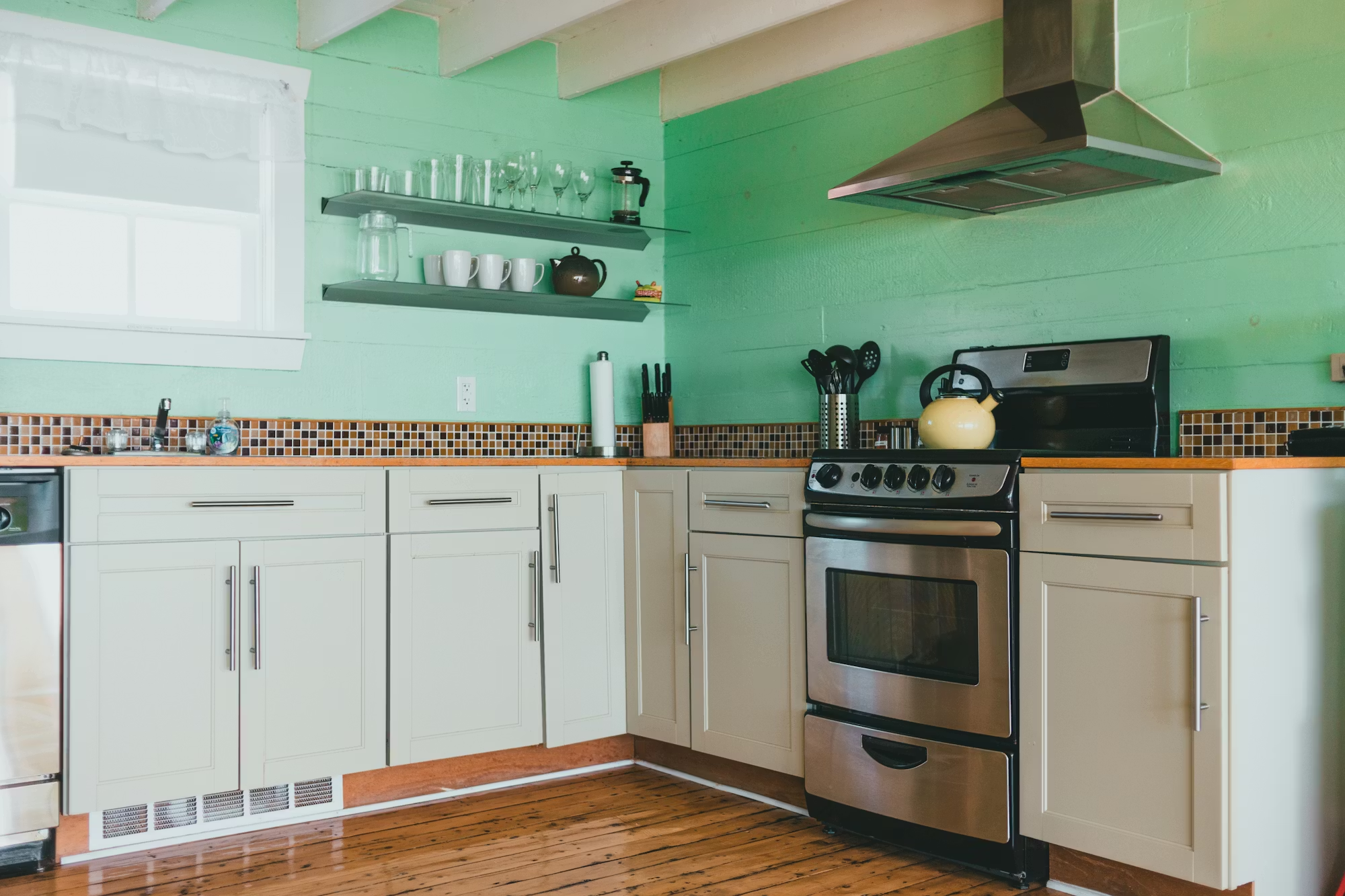

As awareness of environmental issues grows, many homeowners are looking for ways to make their living spaces more eco-friendly. Implementing sustainable home improvements not only benefits the planet but can also enhance the comfort and value of your home. This article will explore various eco-friendly home improvement options, providing practical tips and insights to help you make informed choices that align with a sustainable lifestyle.
The Importance of Sustainable Living
Sustainable living refers to making choices that reduce our ecological footprint and promote environmental health. This concept encompasses various aspects of daily life, from energy consumption and waste reduction to the materials we use in our homes. As climate change and resource depletion become increasingly pressing concerns, adopting sustainable practices is essential for the well-being of our planet and future generations.
Making eco-friendly improvements to your home can lead to significant long-term benefits, including lower utility bills, increased property value, and a healthier living environment. Whether you’re planning a major renovation or looking for small changes to implement over time, every effort counts.
Energy Efficiency: Lowering Consumption
One of the most impactful ways to improve your home’s sustainability is by increasing its energy efficiency. By reducing energy consumption, you not only lower your utility bills but also decrease your carbon footprint.
1. Upgrade to Energy-Efficient Appliances: Replacing outdated appliances with energy-efficient models can significantly reduce energy consumption. Look for appliances with the ENERGY STAR label, which indicates they meet strict energy efficiency guidelines. While the upfront cost may be higher, the long-term savings on energy bills can make a substantial difference.
2. Improve Insulation: Proper insulation is crucial for maintaining a comfortable indoor temperature while minimizing energy use. Upgrading insulation in your walls, attic, and floors can help keep your home warm in winter and cool in summer. Consider using sustainable insulation materials, such as recycled denim or cellulose, which have lower environmental impacts compared to traditional options.
3. Install Energy-Efficient Windows: Windows can be a significant source of heat loss. Upgrading to double-glazed or low-emissivity (Low-E) windows can improve energy efficiency by minimizing heat transfer. Additionally, installing window treatments such as shades or curtains can further enhance insulation.
4. Implement Smart Home Technology: Smart thermostats and energy management systems allow you to monitor and control your home’s energy use more effectively. These devices can optimize heating and cooling schedules, ensuring energy is used only when necessary. Many smart devices are compatible with mobile apps, enabling remote monitoring and control.
Water Conservation: Reducing Consumption
Water is a precious resource, and implementing water-saving strategies in your home can contribute to sustainability while lowering utility bills.
1. Install Low-Flow Fixtures: Replacing standard faucets, showerheads, and toilets with low-flow models can significantly reduce water consumption without sacrificing performance. Low-flow fixtures are designed to maintain pressure while using less water, making them an efficient choice for any bathroom or kitchen.
2. Utilize Rainwater Harvesting: Installing a rain barrel can help collect rainwater for outdoor use, such as watering gardens or washing vehicles. This simple system can reduce reliance on municipal water supplies and promote efficient water usage in landscaping.
3. Practice Xeriscaping: Xeriscaping is a landscaping approach that emphasizes drought-resistant plants and efficient irrigation techniques. By incorporating native plants and minimizing water-dependent lawns, you can create an attractive outdoor space that requires less water and maintenance.
4. Fix Leaks Promptly: Even minor leaks can waste significant amounts of water over time. Regularly check plumbing fixtures for leaks and repair them promptly to conserve water and prevent damage to your home.
Sustainable Materials: Making Informed Choices
When it comes to home improvements, the materials you choose play a crucial role in sustainability. Opting for eco-friendly materials can reduce environmental impact while enhancing your home’s aesthetic appeal.
1. Choose Reclaimed or Salvaged Materials: Reclaimed wood, bricks, and other salvaged materials can add character to your home while reducing the demand for new resources. These materials are often sourced from deconstructed buildings and can be used in various applications, from flooring to cabinetry.
2. Opt for Sustainable Flooring: When selecting flooring, consider options like bamboo, cork, or recycled materials. These choices are not only stylish but also renewable and sustainable. For example, bamboo grows quickly and is highly durable, making it an excellent flooring option.
3. Select Non-Toxic Paints and Finishes: Many conventional paints and finishes contain harmful chemicals that can negatively impact indoor air quality. Look for low-VOC (volatile organic compounds) or zero-VOC paints, which are less harmful to your health and the environment. These paints are available in a wide range of colors and finishes, allowing you to beautify your space without compromising on safety.
4. Incorporate Eco-Friendly Fabrics: When upgrading textiles in your home, consider using organic cotton, linen, or hemp. These fabrics are produced with less impact on the environment and are often biodegradable. Additionally, choosing second-hand or upcycled textiles can further reduce your ecological footprint.
Enhancing Indoor Air Quality
Improving indoor air quality is essential for creating a healthy living environment. Sustainable home improvements can contribute to cleaner air and a more comfortable atmosphere.
1. Incorporate Houseplants: Adding houseplants to your home can improve air quality by filtering toxins and increasing humidity. Plants like spider plants, snake plants, and peace lilies are known for their air-purifying qualities. They also add a touch of natural beauty to your space.
2. Ensure Proper Ventilation: Good ventilation is crucial for maintaining fresh air indoors. Consider installing exhaust fans in kitchens and bathrooms to help remove humidity and pollutants. Additionally, ensure that your HVAC system is well-maintained to promote effective airflow throughout your home.
3. Use Natural Cleaning Products: Many commercial cleaning products contain harsh chemicals that can harm indoor air quality. Consider using natural cleaning alternatives, such as vinegar, baking soda, and essential oils. These eco-friendly options can effectively clean surfaces while minimizing exposure to harmful substances.
4. Minimize Clutter: Keeping your living spaces organized and clutter-free not only enhances the aesthetic appeal of your home but also contributes to better air quality. Clutter can trap dust and allergens, making it essential to regularly clean and declutter your space.
Outdoor Eco-Friendly Enhancements
Sustainability doesn’t stop at your front door; there are numerous ways to improve your outdoor spaces while being mindful of the environment.
1. Create a Sustainable Garden: Consider implementing permaculture principles in your garden. This approach focuses on designing landscapes that work with nature to create productive and self-sustaining ecosystems. Incorporate companion planting and organic gardening techniques to promote biodiversity and reduce the need for chemical fertilizers.
2. Use Solar Energy: Installing solar panels can significantly reduce your reliance on fossil fuels and lower your energy bills. With various incentives and financing options available, transitioning to solar energy is becoming increasingly accessible for homeowners. Solar panels can be used for electricity generation, heating water, or even powering outdoor lighting.
3. Install Green Roofs or Living Walls: Green roofs and living walls can enhance the sustainability of your home while providing additional insulation and aesthetic appeal. These installations promote biodiversity, reduce heat absorption, and improve air quality. They can be especially beneficial in urban areas, helping to mitigate the heat island effect.
4. Build Sustainable Outdoor Spaces: When constructing patios, decks, or fences, consider using sustainable materials such as recycled composite decking or reclaimed wood. Additionally, incorporating permeable paving can help manage stormwater runoff and reduce the risk of erosion.
Conclusion
Making eco-friendly home improvements is an investment in both your living space and the environment. By adopting sustainable practices, homeowners can enhance comfort, reduce utility costs, and contribute to a healthier planet. Whether it’s through energy efficiency upgrades, water conservation techniques, or the use of sustainable materials, every choice you make can lead to a more sustainable lifestyle. As you embark on your home improvement journey, remember that even small changes can create a positive impact, paving the way for a brighter, greener future.