
The 21st century has brought profound changes to urban living, transforming how we interact with our environment, each other, and the spaces we inhabit. As cities evolve, so too does the real estate market, adapting to the new demands and preferences of residents. This article explores the trends shaping urban living today, focusing on how lifestyle changes, technology, and sustainability are influencing the estate industry.
One of the most significant trends in urban living is the shift towards mixed-use developments. As more people seek convenience and community in their daily lives, real estate developers are responding by creating spaces that blend residential, commercial, and recreational areas. This approach not only maximizes land use but also fosters a sense of belonging among residents. Cities like Portland, Oregon, and Barcelona, Spain, are leading the way in this trend, showcasing vibrant neighborhoods where people can live, work, and play without the need for extensive commuting.
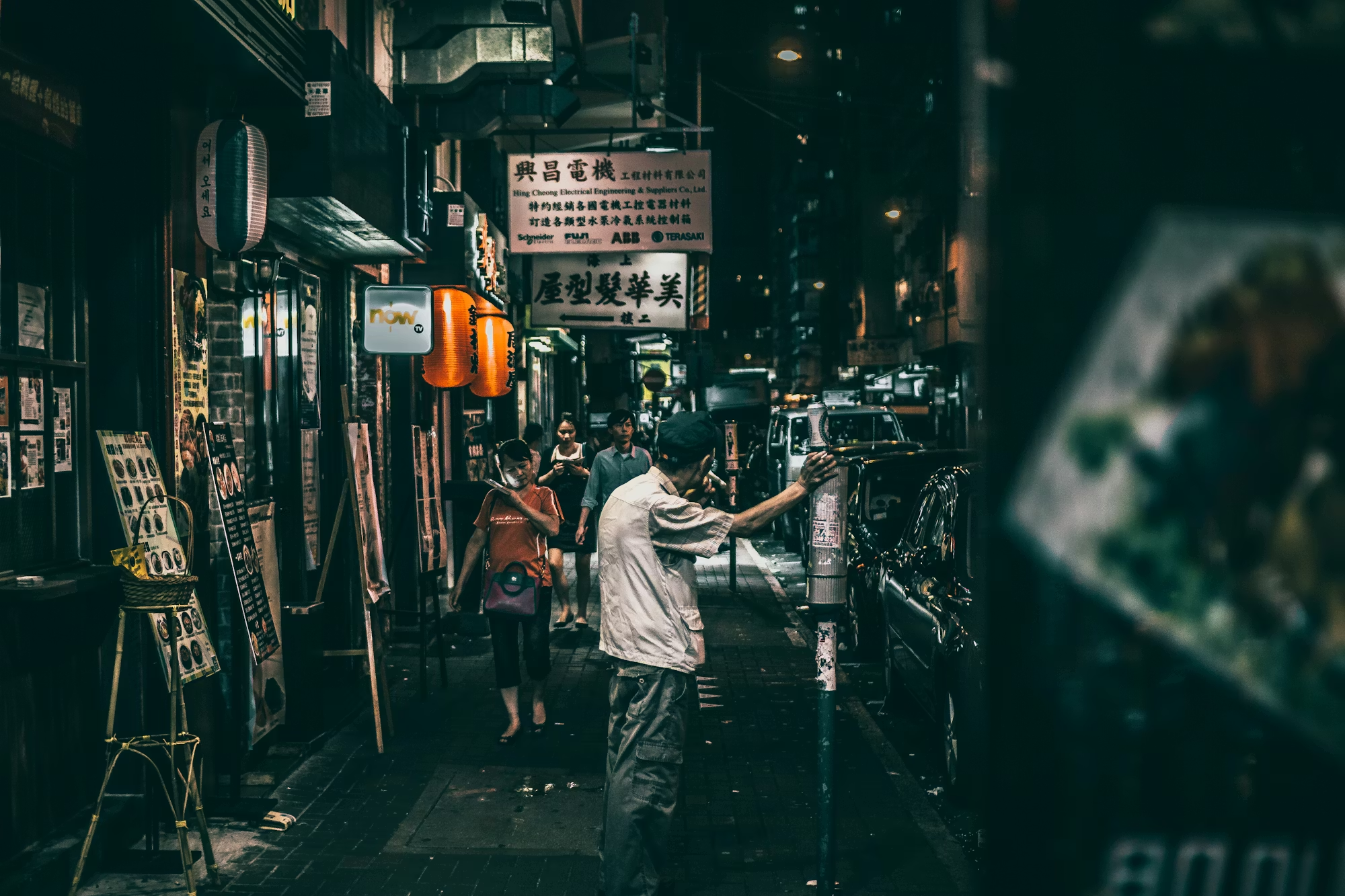
Moreover, the demand for walkable neighborhoods is on the rise. Urban dwellers increasingly value access to amenities such as grocery stores, cafes, parks, and public transportation within walking distance. This shift is particularly appealing to millennials and Gen Z, who prioritize experiences over possessions and seek environments that promote a healthy lifestyle. As a result, real estate developers are focusing on creating pedestrian-friendly designs that encourage outdoor activity and social interaction.
Technology is another driving force behind the evolution of urban living. The rise of smart homes and connected devices has revolutionized how residents interact with their living spaces. Features such as smart thermostats, security systems, and energy-efficient appliances are now standard in many new developments. This technology not only enhances convenience but also contributes to sustainability efforts by optimizing energy use and reducing waste.
Furthermore, the impact of remote work has reshaped the demand for residential properties. The COVID-19 pandemic accelerated the trend towards flexible work arrangements, prompting many individuals to reconsider their living situations. As remote work becomes more prevalent, people are increasingly drawn to suburban areas or smaller cities that offer larger homes, outdoor spaces, and a lower cost of living compared to major metropolitan areas. This shift has significant implications for the real estate market, as demand for single-family homes in these regions surges.
Sustainability is at the forefront of urban living trends as well. Residents are becoming more environmentally conscious, seeking homes that align with their values. This growing awareness has led to a heightened demand for green buildings that utilize sustainable materials, energy-efficient technologies, and eco-friendly practices. Developers are responding by incorporating these elements into their projects, creating spaces that not only meet the needs of modern residents but also contribute positively to the environment.
The concept of community is also evolving in urban living. As cities become more diverse, there is a growing emphasis on inclusivity and social equity. Developers are increasingly focused on creating affordable housing options to ensure that all residents can participate in the urban experience. Initiatives such as inclusionary zoning and community land trusts are gaining traction, promoting mixed-income developments that foster diverse neighborhoods.
In addition, the rise of co-living spaces reflects changing attitudes towards communal living. These shared housing arrangements cater to individuals seeking flexibility and connection in urban environments. Co-living offers residents not just a place to live but a community where they can collaborate, socialize, and share resources. This trend is particularly popular among young professionals and students who prioritize experiences and relationships over traditional homeownership.
Transportation is another critical aspect of urban living that is undergoing transformation. The increasing popularity of alternative modes of transportation, such as cycling and ridesharing, is prompting cities to rethink their infrastructure. Real estate developers are increasingly incorporating bike lanes, pedestrian pathways, and access to public transit in their projects, reflecting the shift towards a more sustainable and interconnected urban environment.
The integration of nature into urban spaces is also a growing trend. As residents seek to escape the hustle and bustle of city life, green spaces are becoming essential components of urban planning. Parks, rooftop gardens, and urban farms are being incorporated into developments, providing residents with opportunities to connect with nature and improve their quality of life. Cities like Singapore and Melbourne are at the forefront of this movement, emphasizing biophilic design principles that enhance well-being and biodiversity.
Moreover, the influence of the sharing economy is reshaping urban living. Services like Airbnb and other short-term rental platforms are altering the way people experience cities. As travelers seek authentic experiences, property owners are increasingly capitalizing on this trend by offering unique accommodations that reflect the local culture. This shift not only benefits homeowners but also stimulates local economies by promoting tourism and community engagement.
As we look to the future, the landscape of urban living will continue to evolve in response to changing demographics and societal needs. The increasing emphasis on sustainability, community, and technology will drive innovation in the real estate sector. Developers who adapt to these trends and prioritize the desires of modern residents will not only succeed but also contribute to the creation of vibrant, resilient cities that enhance the quality of life for all.
In conclusion, the evolution of urban living in the 21st century presents a wealth of opportunities for the real estate industry. By understanding and embracing the trends that shape our cities—mixed-use developments, walkability, technological integration, sustainability, and community focus—stakeholders can navigate the complexities of the modern estate market. The future of urban living is bright, and with thoughtful planning and innovative approaches, we can create cities that meet the diverse needs of residents while promoting a sustainable and inclusive environment.